
Sodium sulphide
Sodium sulphide

Sodium sulphide

Price 10.0 INR/ Piece

MOQ : 1 Ton

Sodium sulphide Specification

  • Melting Point
  • Sodium Sulphide (Na S) Industrial Grade Flakes for Leather, Textile, Paper & Water Treatment
  • Solubility
  • Sodium sulphide has wide industrial uses across leather, textile, paper, water treatment, and mining sectors.
  • Usage
  • Uses of Sodium Sulphide (Na S) Sodium sulphide is a key industrial chemical used mainly in leather, textile, paper, water treatment and mining applications. Its strong reducing and dehairing properties make it essential for many heavy duty processes. Leather industry: Used in unhairing and liming of hides and skins, helping remove hair efficiently and open up the fibre structure before tanning. Textile & dyes: Acts as a powerful reducing agent in sulphur dye manufacturing and is used for dechlorination and desulphurisation in textile wet processing. Pulp & paper: Important in the Kraft pulping process along with caustic soda to break down lignin and improve delignification, resulting in better pulp quality. Water & effluent treatment: Precipitates heavy metals such as copper, lead, zinc and nickel as insoluble sulphides and works as an oxygen scavenger in some treatment systems. Mining & metallurgy: Used as a reagent in ore flotation and metal recovery, and for sulphidising oxide ores to improve separation and recovery rates.
 

Sodium sulphide Trade Information

  • Minimum Order Quantity
  • 1 Ton
  • Supply Ability
  • 1000 Tons Per Month
  • Delivery Time
  • 7 Days
 

About Sodium sulphide

Sodium Sulphide (NaS) Industrial Grade Flakes for Leather, Textile, Paper & Water Treatment

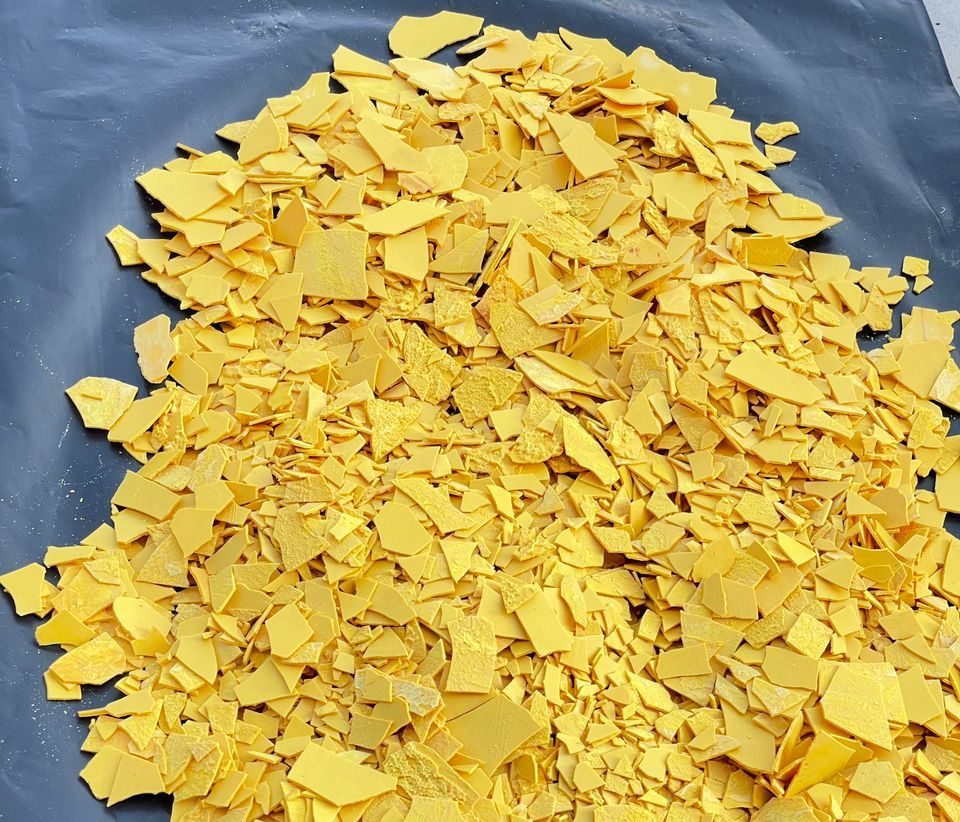
Sodium sulphide (NaS) is a highly reactive, strongly alkaline inorganic salt supplied in yellow to red flakes or pellets with a characteristic odour due to traces of hydrogen sulphide. It is freely soluble in water, forms strongly basic solutions, and acts as a powerful reducing agent, making it an essential process chemical in multiple heavy industries.

In the leather industry, sodium sulphide is primarily used in the unhairing and liming stage for efficient removal of hair and epidermis from hides and skins, improving throughput and reducing manual labour. In the textile and dye sector, it is used in sulphur dye manufacturing, as a reducing agent, and for dechlorination and desulphurisation steps in wet processing. Pulp and paper mills use sodium sulphide in the Kraft process to help break down lignin, improve delignification, and enhance pulp quality.

Sodium sulphide is also widely applied in water and effluent treatment plants as an oxygen scavenger and for precipitating heavy metals (such as Cu, Pb, Zn, Ni) as insoluble metal sulphides, helping industries meet discharge norms. In mining and mineral processing, it is used in flotation circuits and metal recovery processes due to its strong reducing and sulphidising properties.

Key features and benefits

  • Strong reducing agent suitable for leather, textile, dye and metallurgical processes.

  • Effective dehairing and unhairing agent for hides and skins in tanneries, improving process efficiency.

  • Assists delignification in Kraft pulp mills, contributing to better pulp quality and yield.

  • Used for heavy metal removal and oxygen scavenging in industrial effluent treatment.

  • Available in different concentrations and hydration levels to match various industrial applications.
Typical specifications (indicative)Sodium sulphide is a highalkalinity inorganic chemical widely used in leather, textile, paper, water treatment and mining industries for its strong reducing and dehairing properties.

  • Chemical name: Sodium sulphide / Sodium sulfide

  • Molecular formula: NaS

  • Physical form: Flakes, pellets or granules, yellow to reddish due to polysulphides

  • Assay: Common commercial grades around 6070% NaS (flake) depending on supplier

  • Solubility: Highly soluble in water, forming strongly alkaline solution


Exceptional Utility Across Industries

Sodium sulphide proves indispensable in industries including leather, textiles, paper, water treatment, and mining. Its efficacy as a reducing agent and dehairing chemical streamlines several manufacturing and purification processes, making it a staple in diverse sectors.


Key Role in Leather and Textile Processing

In leather manufacture, sodium sulphide is essential for unhairing and liming hides, improving fibre openness before tanning. The textile sector utilises its power to act as a reducing agent for dyes and for removing undesirable elements during fabric processing.


Environmental and Industrial Benefits

Beyond its processing strengths, sodium sulphide is employed in water and effluent treatment to precipitate heavy metals, safeguarding environmental standards. In mining, it optimises flotation and metal recovery, enhancing the efficiency of mineral separation and extraction.

FAQ's of Sodium sulphide:


Q: How is sodium sulphide used in the leather industry?

A: Sodium sulphide is primarily used for unhairing and liming hides and skins. It effectively removes hair and opens the fibrous structure of hides, making them suitable for further processing in tanneries.

Q: What are the main benefits of using sodium sulphide in water treatment?

A: In water and effluent treatment, sodium sulphide facilitates the precipitation of heavy metals like copper, lead, zinc, and nickel as insoluble sulphides, and acts as an oxygen scavenger in some treatment systems. This significantly improves water purity and compliance with environmental regulations.

Q: When is sodium sulphide introduced during paper manufacturing?

A: During the Kraft pulping process in the paper industry, sodium sulphide is added along with caustic soda to break down lignin and aid in the delignification of wood chips. This results in higher quality pulp and improved processing efficiency.

Q: What process uses sodium sulphide in textile and dye manufacturing?

A: Sodium sulphide serves as a powerful reducing agent during the synthesis of sulphur dyes. Additionally, it is used in dechlorination and desulphurisation steps during textile wet processing.

Q: Where can sodium sulphide be sourced from competitively in India?

A: Reputable manufacturers and suppliers in India offer industrial grade sodium sulphide flakes tailored for leather, textile, paper, water treatment, and mining applications, ensuring product quality and timely delivery as per industry demands.

Q: What are the industrial advantages of using sodium sulphide in mining?

A: In mining and metallurgy, sodium sulphide is used as a reagent for ore flotation and metal recovery. It helps sulphidise oxide ores, thereby improving the separation and recovery rates of valuable metals.

Tell us about your requirement
product

Price:

Quantity
Select Unit

  • 50
  • 100
  • 200
  • 250
  • 500
  • 1000+
Additional detail
Mobile number

Email

More Products in Industrial Chemical Category

Brucite Powder

Brucite Powder

Price 80 INR / Kilograms

Minimum Order Quantity : 250 Kilograms

Type : Brucite Powder

Usage : Filler, Coating additive

Grade : Industrial Grade

Ph Level : 89

Malic Aicd

Malic Aicd

Minimum Order Quantity : 100 Kilograms

Type : Organic Dicarboxylic Acid

Usage : Acidulant, flavor enhancer, buffering agent, intermediate in chemical synthesis

Grade : Industrial Grade

Super White Marble Powder

Super White Marble Powder

Price 1920 INR / Tonne

Minimum Order Quantity : 5 Tonnes

Type : Super White Marble Powder

Usage : Marble powder filler

Grade : Industrial Grade

Ph Level : 88.5

tcca 90

tcca 90

Price 180.0 INR / Kilograms

Minimum Order Quantity : 100 Kilograms

Type : TCCA 90

Usage : TCCA 90 granules are a stable, slow dissolving source of 90% available chlorine, ideal for swimming pools, RO plants, ETP/STP systems, and industrial cooling water. They provide long lasting disinfection, control bacteria and algae, and offer higher chlorine content and better shelf life compared to bleaching powder or liquid chlorine, making them a preferred choice for commercial pools, hotels, housing societies, and water treatment plants

Grade : Industrial Grade

Ph Level : 57


Back to top