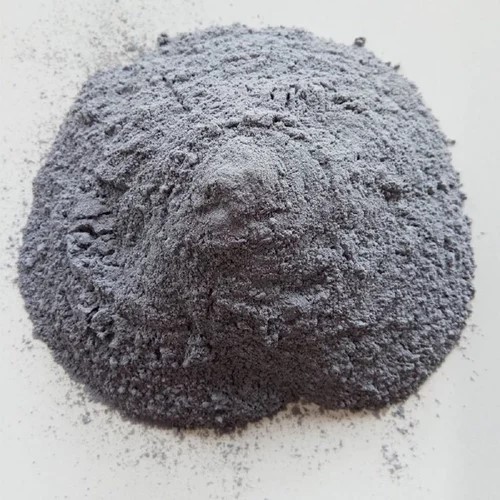

fused silica
fused silica

fused silica

Price 15.0 INR/ Piece

MOQ : 1 Ton

fused silica Specification

  • Density
  • 2.2 Gram per cubic centimeter(g/cm3)
  • Application
  • Used in high-temperature applications, optical components, semiconductor industry, and furnace linings
  • Usage & Applications
  • Optical windows, lenses, crucibles, laboratory equipment, firings, refractory linings
  • Chemical Composition
  • SiO2 (Silicon Dioxide) >99.8%
  • Water Absorption
  • ~0%
  • Purity(%)
  • >99.8%
  • Form
  • Solid
  • Hardness (%)
  • Mohs Hardness: 5.5-6.5
  • Surface Finish
  • Smooth, vitrified
  • Melting Point
  • Approximately 1713C (3115F)
  • Product Type
  • Industrial/Technical Glass, Refractory Material
  • Types of Refractories
  • Acidic Refractory
  • Shape
  • Sheets, tubes, rods, custom shapes
  • Porosity
  • Less than 0.1%
  • Dimensional Stability
  • Excellent at high temperatures
  • Strength
  • Compressive Strength: 1100 kg/cm2 (approx)
  • Specific Gravity
  • ~2.20 g/cm3
  • Thermal Conductivity
  • ~1.35 W/mK at 20C
  • Color
  • Translucent to white
  • Electrical Resistivity
  • 7x1018 cm at 25C
  • Grain Size
  • Customizable, standard options available
  • Refractive Index
  • 1.458
  • Thermal Shock Resistance
  • Excellent
  • Working Temperature (Short-term)
  • Up to 1650C
  • Acid Resistance
  • Excellent, except HF acid
  • Maximum Service Temperature
  • 1200C continuous
  • Alkaline Resistance
  • Good
  • Transparency
  • >90% (in visible range; for clear fused silica)
  • Softening Point
  • 1665C
  • Thermal Expansion Coefficient
  • 0.54 x 10⁶/K
 

fused silica Trade Information

  • Minimum Order Quantity
  • 1 Ton
  • Supply Ability
  • 500 Tons Per Month
  • Delivery Time
  • 7 Days
 

About fused silica

Fused silica is a highpurity, amorphous form of silicon dioxide engineered for demanding hightemperature and precision applications. Produced by electrically fusing selected quartz and rapidly cooling the melt, it offers extremely low thermal expansion, excellent thermal shock resistance, high softening point and outstanding chemical inertness compared with conventional silica sand or glass.

Because of this unique property profile, fused silica is widely used in investment casting shells, precision foundry refractories, kiln furniture, slide gates, hightemperature linings, as well as in specialty glass, optics, semiconductor, photovoltaic and fibreoptic components where dimensional stability, purity and low thermal distortion are critica

Fused silica is used wherever very low thermal expansion, high purity and thermal shock resistance are required.

Hightemperature & refractories

  • Investment casting shells and cores for precision castings (steel, superalloys, turbine parts).

  • Refractory shapes, gunning mixes, kiln furniture, ladle and tundish linings, slide gates and burner blocks in steel and glass industries.

Glass, optics & photonics

  • Optical windows, lenses, prisms and wafers for UV to IR applications (lasers, lithography, sensors).

  • Semiconductor and photovoltaic components, crucibles and tubes requiring very low thermal expansion and high purity.

Industrial powders & fillers

  • Fused silica powder as a lowexpansion filler in epoxy encapsulants, electronic packaging, potting compounds and engineering plastics to reduce CTE and improve dimensional stability.
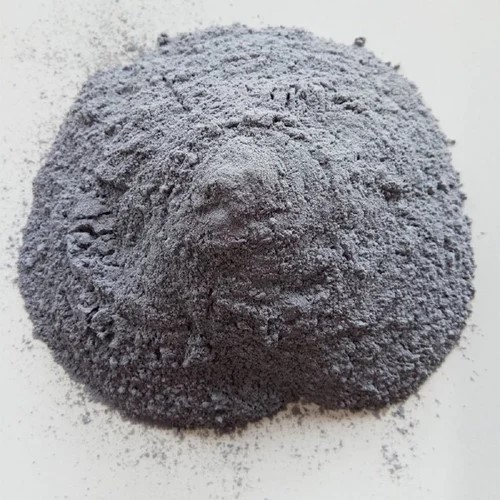


Unmatched Thermal and Chemical Stability

Fused silica exhibits low thermal expansion, excellent thermal shock resistance, and superb acid resistance, except against hydrofluoric acid. Its stability under high temperatures and harsh chemicals ensures longevity and reliability, making it a preferred material for critical high-temperature and high-purity applications.


Optimal Transparency & Purity for Optical Precision

With over 99.8% SiO2 content and transparency exceeding 90% in the visible range, clear fused silica is indispensable for optical windows, lenses, and precision instrumentation. Its consistent refractive index and low impurity levels guarantee exceptional visual clarity and performance.


Versatile Formats to Suit Every Need

Fused silica is available in various customizable shapes including sheets, tubes, rods, and other specialized forms. Its consistent density, ultra-low porosity, and smooth vitrified surface finish cater to a wide range of industrial and laboratory uses.

FAQ's of fused silica:


Q: How does fused silica maintain its dimensional stability at high temperatures?

A: With a very low thermal expansion coefficient (0.54 x 10⁶/K) and high softening (1665C) and melting points (about 1713C), fused silica resists deformation and retains its shape even in continuous operations up to 1200C or short-term exposures up to 1650C.

Q: What benefits does fused silica offer in optical applications?

A: Its high purity (>99.8% SiO2), low refractive index (1.458), minimal absorption, and over 90% transparency in the visible range make fused silica ideal for manufacturing optical windows, lenses, and precision laboratory equipment requiring clarity and stability.

Q: Where is fused silica commonly used in industry?

A: Fused silica is widely utilized in high-temperature furnace linings, the semiconductor industry, laboratory apparatus, optical components, and refractory linings owing to its resilience, chemical purity, and customizable shape options.

Q: What is the typical process for forming fused silica components?

A: Manufacturing fused silica starts with melting high-purity quartz sand at ultra-high temperatures, followed by molding into required forms such as rods, tubes, or sheets. It is then annealed to relieve internal stresses and achieve a smooth, vitrified surface finish.

Q: Does fused silica absorb water or react with chemicals?

A: Fused silica has almost zero water absorption (~0%) and shows excellent acid resistance, except with hydrofluoric acid. It also has good resistance to alkalines, making it suitable for chemically demanding settings.

Q: What types of shapes and grain sizes are available for fused silica?

A: Standard and customizable grains, as well as shapes such as sheets, tubes, rods, and specialty forms, are available from manufacturers. These can be tailored to meet specific application requirements.

Tell us about your requirement
product

Price:

Quantity
Select Unit

  • 50
  • 100
  • 200
  • 250
  • 500
  • 1000+
Additional detail
Mobile number

Email

More Products in Mineral Powder Category

fume silica

fume silica

Price 15.0 INR / Ton

Minimum Order Quantity : 10 Tons

Strength : High tensile and compressive strength as an additive

Dimensional Stability : Other, Excellent dimensional stability

Porosity : Highly porous structure; primary particle size is 740 nm
Shape : Other, Ultrafine, amorphous, spherical particles

rock phosphate powder

rock phosphate powder

Price 10.0 INR / Ton

Minimum Order Quantity : 1 Ton

Strength : N/A (not applicable for powder)

Dimensional Stability : Other, Stable under normal storage

Porosity : Moderate

Shape : Powder

Hydrated Lime

Hydrated Lime

Minimum Order Quantity : 100 Kilograms

Strength : Not applicable for powdered form; for slaked lime cakes, compressive strength can be 12 MPa

Dimensional Stability : Other, Stable under normal storage; may react with CO over time forming CaCO

Porosity : Not typically specified for powdered form; bulk density is more relevant
Shape : Powder

Talc Powder

Talc Powder

Minimum Order Quantity : 100 Kilograms

Strength : 2.58 2.83 g/cm

Dimensional Stability : Other, Excellent (inert, stable under normal conditions)

Porosity : Very low (typically <1%)

Shape : Powder


Back to top